Livestock Feed from Consistent Local Fields
Hay in Cabery for farmers maintaining animal nutrition with dependable, farm-direct supply
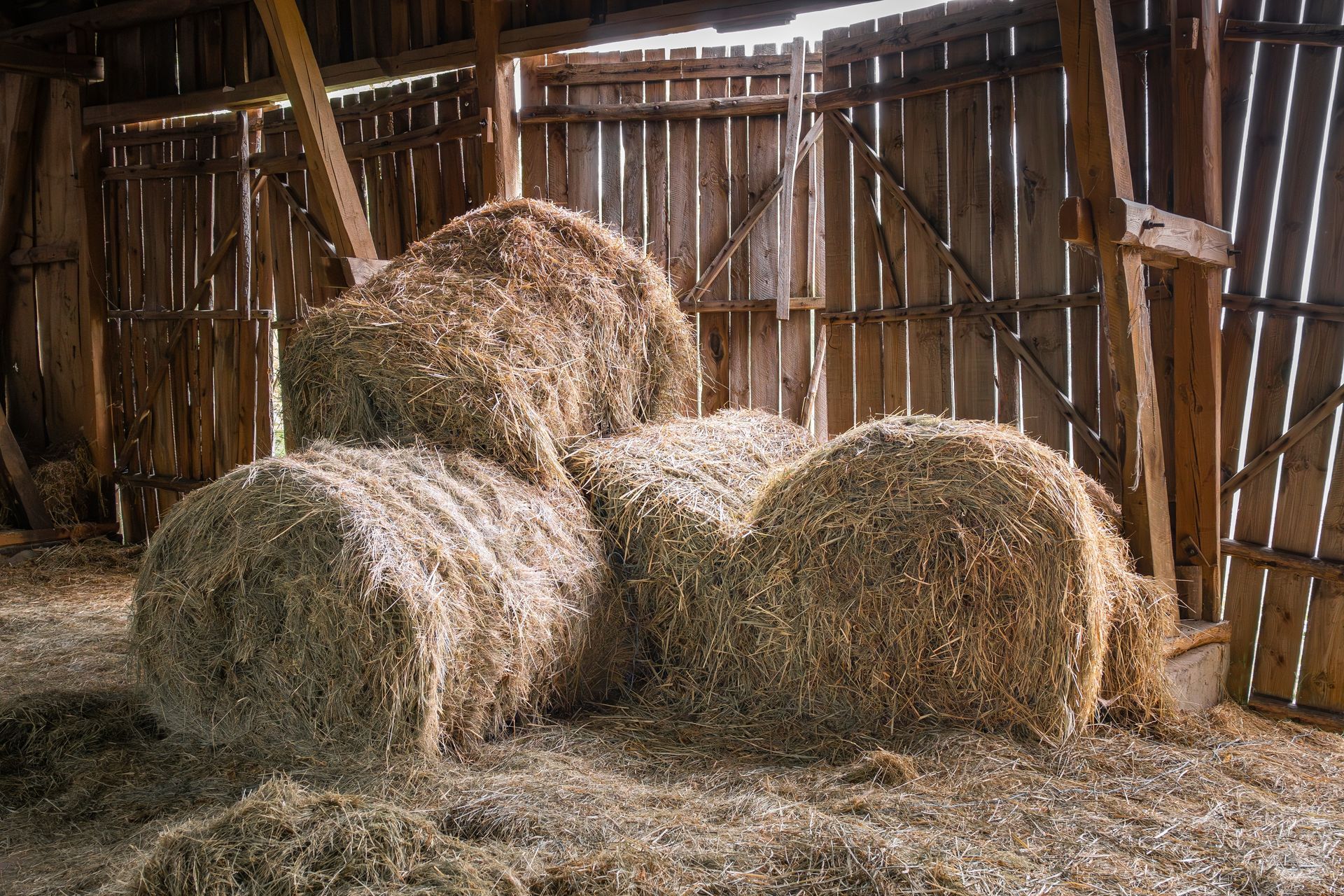
Hay quality varies significantly based on cutting timing, weather during curing, and storage conditions after baling, which means sourcing from a single farm where you observe field management and baling practices provides more consistency than buying mixed loads of unknown origin. VanWassenhove Farms produces hay directly on the property, cutting and baling according to maturity stages that balance nutritional content with yield, so livestock owners receive feed that performs predictably across different animal types and feeding programs.
You avoid the uncertainty of auction hay or bulk purchases from brokers who consolidate loads from multiple farms where growing conditions, cutting schedules, and curing methods differ enough to create variation in protein, fiber, and moisture levels that affect how animals consume and digest the feed.
Bulk quantities are available for farmers who feed multiple animals or maintain year-round livestock operations, with pickup arranged directly from the farm to reduce handling and transportation costs that compound when hay moves through intermediary suppliers or retail outlets.
Contact the farm to confirm current hay availability and arrange pickup times based on your feeding schedule.
How Field Management Affects Feed Quality
Hay cut at early maturity stages contains more leaf material and less stem, which increases protein content and digestibility but reduces total tonnage per acre because the plants haven't reached full height. Cutting later produces more bales per field but shifts the nutritional profile toward higher fiber and lower protein, which matters for young stock, lactating animals, or livestock maintained on hay as a primary forage source rather than just filler between grazing seasons. VanWassenhove Farms manages cutting schedules to balance these factors, producing hay suitable for general livestock nutrition without requiring supplemental protein for most animals under normal production conditions.
Once you start feeding, you'll notice consistent consumption rates across bales from the same cutting, which happens because field conditions and curing methods remain uniform rather than varying between farms or fields with different soil types and weather exposure. Animals waste less hay when quality stays predictable because they don't sort through inconsistent bales looking for preferred leaf material and rejecting stems that differ in maturity or moisture.
Bulk purchasing secures supply for extended feeding periods and locks in pricing before seasonal demand increases rates, but it requires adequate dry storage to prevent mold development and nutrient degradation that happens when bales absorb moisture from ground contact or inadequate shelter. Farmers ordering bulk loads need to confirm storage capacity before pickup, because moving bales multiple times after delivery increases labor and creates opportunities for weather exposure that reduces feed value.
Livestock owners purchasing hay from local farms usually ask about nutritional suitability, storage requirements, and how farm-direct sourcing differs from retail feed stores.
Answers to Frequent Hay Questions
What types of livestock does this hay suit?
The hay works for cattle, horses, goats, and sheep maintained under typical production conditions, though animals with specific nutritional demands—such as high-performance horses or early-lactation dairy cows—may need supplemental protein depending on the cutting and overall ration composition.
How should I store hay to maintain quality?
Bales need elevation off the ground using pallets or rails and protection from direct weather exposure through building storage or tarping, because moisture contact causes mold growth that makes hay unfit for feeding within weeks rather than months.
When is hay available for purchase in Cabery?
Availability follows cutting schedules that depend on weather and crop maturity, typically running from late spring through early fall, with stored hay sold through winter until the next season's first cutting replenishes inventory.
Why does farm-direct hay cost less than retail feed stores?
Buying directly from VanWassenhove Farms eliminates transportation, warehousing, and retail markup costs that compound when hay moves through distribution chains, reducing the price per bale without changing the actual feed quality or nutritional content.
What's the difference between first cutting and later cuttings?
First cutting occurs when fields reach initial maturity and often contains more grass variety and mature stems, while later cuttings come from regrowth that's leafier and finer-stemmed, affecting texture and protein levels that matter for different livestock classes.
VanWassenhove Farms sells hay based on current inventory and seasonal cutting schedules, so confirming availability before planning your feeding program prevents shortages during peak demand periods. Call the farm to check quantities and schedule bulk pickup.