Eggs From Chickens Raised on the Property
Farm fresh eggs in Cabery for kitchens that use eggs frequently and value consistent quality
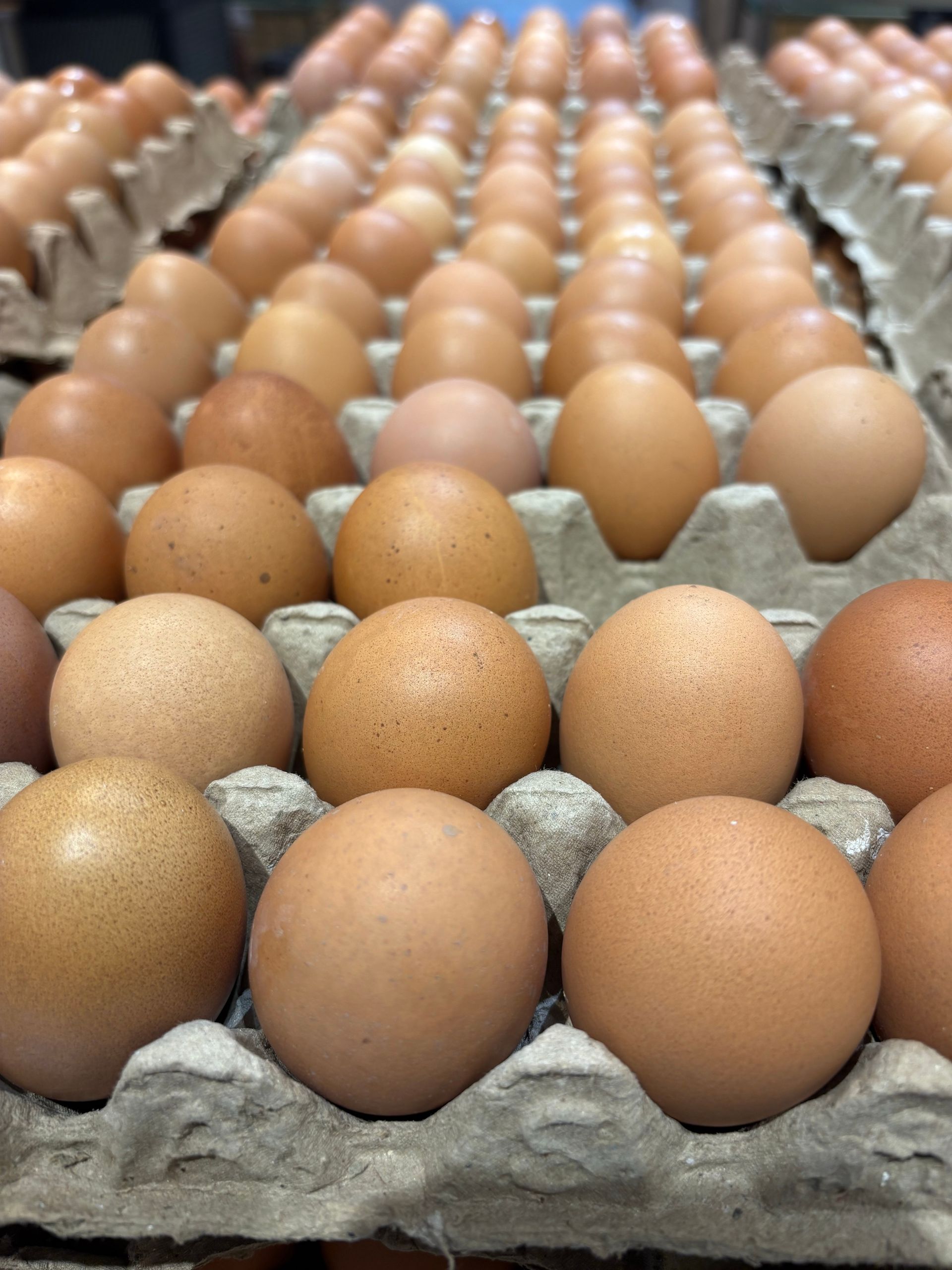
Egg freshness affects both cooking performance and storage life, because the albumen—the clear white portion—thins as carbon dioxide escapes through the porous shell over time, which changes how the egg behaves when cracked into a pan or mixed into batter. Farm-raised chickens at VanWassenhove Farms in Cabery lay eggs that move from the nest box to the farmstand in the same day, creating a freshness window that commercial eggs cannot match after spending days in collection facilities, processing plants, and distribution warehouses before reaching store shelves. The shorter timeline between laying and purchase means you start with eggs that have lost less moisture and retained more of the tight albumen structure that produces better frying and baking results.
Chickens maintained in farm conditions produce eggs year-round, though laying rates decrease during winter months when daylight hours drop below twelve per day, which naturally reduces production without intervention. The consistency of farm fresh eggs as a product means you can rely on availability regardless of season, unlike vegetables that follow strict planting and harvest calendars. Direct purchasing from the farm eliminates the packaging and transportation steps that expose eggs to temperature fluctuations, which accelerates quality loss even when shells remain intact.
Stop by the farmstand to purchase eggs directly from VanWassenhove Farms based on your household needs.
How Farm-Raised Eggs Perform Differently
The difference between a three-day-old egg and a three-week-old egg becomes obvious when you crack them side by side—the fresh egg maintains a domed yolk and thick white that stays contained, while the older egg spreads thin across the pan with a flattened yolk. This structural difference matters for cooking techniques like poaching and frying, where egg shape affects both appearance and texture.
After switching to farm fresh eggs, you notice yolks sit higher when fried, whites whip to stiffer peaks when beaten, and baked goods rise more consistently because the fresher protein structure creates better emulsification and air incorporation. Eggs stored in your refrigerator remain usable for longer periods because they started with less aging, extending the window before the albumen breaks down enough to affect cooking quality.
Farm-raised chickens fed on a consistent diet produce eggs with uniform shell strength and yolk color, which reduces variability in cooking results compared to eggs pooled from multiple commercial sources. The farmstand model allows you to purchase quantities that match your usage rate, from a half-dozen for small households to multiple flats for operations that rely on eggs as a staple ingredient.
Customers who purchase eggs from farm sources often have questions about freshness indicators and storage before their first visit.
What Property Owners Usually Ask
What indicates an egg is truly fresh rather than simply labeled as such?
Fresh eggs have thick, gelatinous whites that don't spread when cracked, yolks that sit high and round, and shells that feel slightly rough rather than completely smooth from the protective bloom wearing off during extended storage.
How long do farm fresh eggs remain at peak quality?
Eggs maintain optimal cooking properties for three to four weeks when refrigerated immediately, though they stay safe to eat for much longer as the albumen gradually thins and cooking performance changes.
When does laying production change throughout the year?
Chickens naturally lay fewer eggs during late fall and winter when daylight drops below ten hours per day, then increase production as spring approaches and day length extends.
Why do farm-raised eggs sometimes vary in size and shell color?
Individual hens produce eggs of different sizes based on age and breed, and shell color depends entirely on genetics rather than nutrition or care, meaning a mixed flock produces varied appearance without quality differences.
How does purchasing from the farmstand differ from buying at stores in Kankakee?
Farmstand eggs often sell within one to three days of laying, while store eggs typically aged one to two weeks before reaching shelves after passing through grading facilities and distribution networks.
VanWassenhove Farms maintains laying hens on the property with eggs available through the farmstand throughout the year. Call (815) 674-3034 to confirm availability before visiting Cabery.